Source Alloy Steel Excavator Arm Cylinder for Construction, Mining, and Landscaping
Find 30 listings for the Alloy Steel Excavator Arm Cylinder with options in carbon steel and cast steel. Buyers can compare specifications like working pressure, stroke, and bore size from suppliers in China.
Key considerations
Products List

Excavator Bucket Cylinder Boom Cylinder Arm Cylinder Excavator Cylinder
$100.00 - $30000.00
MOQ: 1 Pieces


Excavator Arm Cylinder Assy Hydraulic Oil Cylinder Excavator Bucket Cylinder
$450.00 - $800.00
MOQ: 1 Pieces


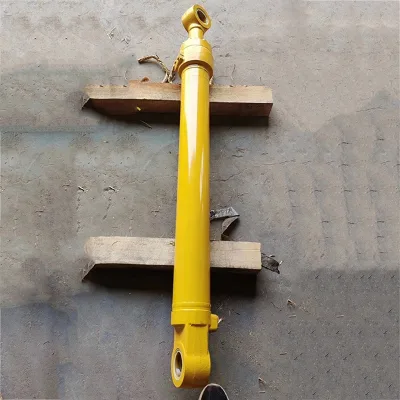


Excavator Hydraulic Bucket Arm Boom Cylinder for Construction Machinery
$540.00 - $950.00
MOQ: 1 Pieces

Top Quality Excavator Hydraulic Bucket Arm Boom Cylinder for Heavy Equipment
$540.00 - $950.00
MOQ: 1 Pieces

High Quality Excavator Bucket Arm Boom Cylinder for Construction Equipment
$540.00 - $950.00
MOQ: 1 Pieces

Excavator Hydraulic Cylinder Big Boom Cylinder Arm Cylinder for Excavator
$100.00 - $699.00
MOQ: 1 Pieces


Comprehensive Sourcing Guide
Strategic Sourcing Guide for Alloy Steel Excavator Arm Cylinders
Understanding Technical Specifications and Material Integrity
When sourcing an Alloy Steel Excavator Arm Cylinder, the primary focus must remain on the material composition and the mechanical architecture that defines the component's durability. The supplied product data indicates a diverse range of materials available in the market, including carbon steel, 35MnB, cast steel, and specifically alloy steel. For applications demanding high tensile strength and resistance to fatigue under heavy loads, alloy steel is often the preferred choice. However, buyers must verify that the specific listing explicitly states "Alloy Steel" rather than relying on general terms like "Carbon Steel" or "Cast Steel," as the metallurgical properties differ significantly.
The structural design of these cylinders varies, with the observed data highlighting both "Piston Type" and "Rotary" working methods. For a standard excavator arm application, the piston type is the conventional configuration, utilizing a barrel, head, cap, piston, rod, and seals as core components. The acting way is another critical specification; the market offers both "Single Acting" and "Double Acting" variants. Double-acting cylinders provide hydraulic force in both extension and retraction, which is typically essential for the precise control required in excavation tasks. The working pressure range observed spans from 7MPa to 31.5MPa, indicating that these units are designed for high-pressure environments. Buyers must ensure the selected cylinder matches the hydraulic system pressure of their specific excavator model, as exceeding the rated pressure can lead to catastrophic failure.
Furthermore, the dimensional specifications are highly variable. The observed data lists bore sizes ranging from 40mm to 1500mm, shaft diameters from 12mm to 1000mm, and stroke lengths from 20mm to 16000mm. This vast range suggests that these cylinders are often custom-manufactured or adapted for specific machinery sizes, from small units to massive 80-ton excavators. The working temperature is generally noted as "Normal Temperature," which implies that extreme thermal environments may require additional verification of seal materials and lubrication properties. The adjusted form, whether "Regulated Type" or "Switching Type," also dictates how the cylinder interacts with the machine's control systems, necessitating a clear understanding of the operational requirements before procurement.
Compliance, Certification, and Regulatory Standards
Navigating the compliance landscape is a critical step in the procurement of industrial hydraulic components. The product data reveals a mix of certifications, including ISOCE, CE, ISO9001, RoHS, and GS. While these certifications are listed as attributes of various suppliers, buyers must treat them as observations of specific listings rather than universal guarantees for all products in this category. A supplier claiming "ISOCE" or "ISO9001" status must provide verifiable documentation to confirm that the specific alloy steel cylinders being purchased are covered under that certification.
The standard of production is another area requiring rigorous scrutiny. The data mentions "Customizable" standards alongside specific references like "ce60" and "standard." This variability indicates that there is no single universal standard governing all excavator arm cylinders. Buyers should not assume that a product labeled "standard" meets the specific safety or performance requirements of their region or industry. Instead, they must request the exact standard code applicable to the batch they intend to purchase. For instance, while some listings mention "ISO 9001" in a low-confidence context, the high-confidence facts list "ISO9001: Condition:New" as a specific attribute. This distinction is vital; buyers must verify if the certification applies to the manufacturing process or the final product quality.
Additionally, the origin of the product plays a role in regulatory compliance. The observed locations include Shandong Province, China, and Quanzhou, China. While these are major manufacturing hubs, the specific export standards applied by the factory must align with the importing country's regulations. Certifications like RoHS and GS are particularly relevant for markets with strict environmental and safety regulations. However, the presence of a certification label on a product page does not automatically validate the product's compliance. Procurement teams must request the actual certificate numbers and verify them with the issuing bodies to ensure authenticity.
Cost Drivers and Pricing Dynamics
The pricing for alloy steel excavator cylinders is influenced by a complex interplay of material costs, customization levels, and order volumes. The observed price range in the market is substantial, spanning from $50 to $30,000 USD. This wide disparity is primarily driven by the cylinder's dimensions, specifically the bore and stroke length, as well as the complexity of the internal sealing and piston design. A small cylinder with a 40mm bore will naturally cost significantly less than a massive unit with a 1500mm bore and a 16000mm stroke.
Material composition is another significant cost driver. While carbon steel and cast steel options are available, alloy steel cylinders typically command a higher price due to the superior strength and durability they offer. The specific grade of alloy steel used, the heat treatment processes applied, and the quality of the chrome plating on the rod all contribute to the final cost. Buyers should be wary of prices that seem unusually low, as they may indicate the use of inferior materials or a lack of necessary heat treatments that compromise the cylinder's lifespan.
The Minimum Order Quantity (MOQ) also impacts the effective unit cost. The observed MOQ ranges from 1 piece to 50 pieces. For buyers requiring a single replacement part, the unit price will be higher due to the lack of economies of scale. Conversely, purchasing in bulk can reduce the per-unit cost, but it requires careful inventory management. The "Customizable" nature of the product standard and packing options adds another layer of cost. Requests for non-standard packaging, such as wooden cases or pallets, or specific color requirements like blue, yellow, or red, may incur additional fees. Buyers must balance the need for customization against the budget constraints, ensuring that the added cost translates to tangible value in terms of protection or operational efficiency.
Typical Applications and Operational Context
The primary application for these cylinders is clearly identified as excavators, with specific mentions of models ranging from 1 to 80 tons. The alloy steel construction makes these components particularly suitable for heavy-duty construction, mining, and earthmoving operations where high stress and frequent loading cycles are common. The working medium for these cylinders includes water glycol, oil, and other fluids, which dictates the compatibility of the seals and the internal lubrication requirements.
The "Double Acting" configuration is ideal for applications requiring precise control over both the extension and retraction of the arm. This is crucial for tasks such as digging, lifting, and grading, where the operator needs to exert force in both directions. The "Straight Trip" working method observed in some listings suggests a linear motion application, which is standard for excavator arms. However, the presence of "Rotary" working methods in the data indicates that some suppliers may offer specialized cylinders for different types of machinery or attachments. Buyers must ensure that the cylinder's motion type matches the kinematic requirements of their specific excavator model.
The mounting options are described as "Optional&Customizable," which is a critical feature for integrating these cylinders into various machine frames. Different excavator models may require specific mounting configurations, such as trunnion, clevis, or flange mounts. The ability to customize the mounting ensures that the cylinder can be seamlessly integrated into the existing hydraulic system without the need for extensive modifications. The warranty period of 1 year and after-warranty services, including video technical support and spare parts availability, provide a safety net for buyers, ensuring that operational downtime is minimized in case of failure.
Supplier Evaluation and Quality Assurance
Evaluating suppliers for alloy steel excavator cylinders requires a multi-faceted approach that goes beyond the information provided on product pages. Buyers should prioritize suppliers who demonstrate transparency regarding their manufacturing processes and quality control measures. The core components listed, such as the piston, rod, cap, head, barrel, and seals, are the heart of the cylinder. A reputable supplier should be able to provide detailed specifications for these components, including the material grades and manufacturing tolerances.
Quality assurance should be a central part of the supplier evaluation process. Buyers must verify the supplier's ability to meet the high-pressure requirements of 7MPa to 31.5MPa. This involves checking for evidence of pressure testing, leak testing, and fatigue testing. The "High Quality" attribute observed in the data is a claim that must be substantiated by test reports or third-party certifications. Suppliers who can provide detailed test results and quality assurance documentation are more likely to deliver reliable products.
The packaging method is also an indicator of a supplier's attention to detail. The data shows a variety of packaging options, including standard export packages, cartons, wooden cases, and pallets. A supplier that offers robust packaging, such as non-fumigation wooden boxes or palletized shipping, demonstrates a commitment to protecting the product during transit. This is particularly important for large, heavy cylinders that are susceptible to damage during shipping. Additionally, the availability of after-sales support, such as video technical support and spare parts, is a strong indicator of a supplier's long-term reliability and commitment to customer satisfaction.
Long-Term Procurement and Maintenance Considerations
Sourcing alloy steel excavator cylinders is not just a one-time transaction but a long-term relationship that impacts the operational efficiency of the machinery. The warranty period of 1 year is a standard offering, but buyers should consider the long-term maintenance requirements of the cylinder. The availability of spare parts, such as seals and rods, is crucial for extending the life of the cylinder. Suppliers that offer comprehensive after-warranty services, including video technical support, can significantly reduce downtime and maintenance costs.
The working temperature and medium compatibility are also long-term considerations. While the observed data indicates "Normal Temperature" operation, buyers should assess whether their specific operating environment requires cylinders with enhanced thermal resistance. Similarly, the choice of working medium, whether oil or water glycol, affects the longevity of the seals and the internal components. Buyers should ensure that the selected cylinder is compatible with the hydraulic fluid used in their machinery to prevent premature wear and failure.
Finally, the customization options available for the cylinder, such as the mounting style and standard specifications, should be evaluated in the context of future needs. As machinery ages or is upgraded, the ability to source compatible cylinders becomes increasingly important. Suppliers that offer customizable standards and mounting options provide greater flexibility, allowing buyers to adapt to changing operational requirements without the need for complete system overhauls. By focusing on these long-term factors, buyers can ensure a sustainable and cost-effective procurement strategy for their excavator arm cylinders.
FAQs
What certifications do alloy steel excavator arm cylinders have?
These cylinders typically hold ISOCE, CE, ISO9001, RoHS, and GS certifications. Buyers must verify specific documentation for each listing as certifications vary by supplier and are not universal guarantees for all products in this category.
Which working pressure range is standard for these cylinders?
The standard working pressure ranges from 7MPa to 31.5MPa, suitable for high-pressure environments. Buyers must ensure the selected cylinder matches their excavator's hydraulic system pressure to prevent catastrophic failure during operation.
Can I customize the mounting options for these cylinders?
Yes, mounting options are optional and customizable to fit specific machine frames. This allows for seamless integration into various hydraulic systems without requiring extensive modifications to the existing excavator structure.
What is the typical warranty period for these components?
The standard warranty period is 1 year for these alloy steel cylinders. After warranty service includes video technical support and spare parts availability to minimize operational downtime in case of failure.
How does the acting way affect cylinder performance?
Both single-acting and double-acting configurations are available in the market. Double-acting cylinders provide hydraulic force in both extension and retraction, which is essential for precise control in excavation tasks.
What materials are used for these excavator arm cylinders?
Materials include carbon steel, 35MnB, cast steel, and specifically alloy steel for high strength. Buyers must verify that the specific listing explicitly states alloy steel rather than relying on general terms like carbon steel.
What is the minimum order quantity for these cylinders?
The minimum order quantity ranges from 1 piece to 50 pieces depending on the supplier. Purchasing in bulk can reduce the per-unit cost, but single replacements are available for immediate needs.